Skip to content
    micromedex
    Quarterly thought leadership
    from our subject matter experts

    Micromedex Spotlight on Human Work in an AI Era

    Issue Two | 2026

    IMG-Micromedex-Email-48-336x336
    Table of Contents
    Share via

    In this issue

    Each quarter, Micromedex publishes insights on healthcare trends from our subject matter experts.

    There's no shortage of Artificial Intelligence (AI) headlines right now, but we find the human side of the story far more compelling, and far more important.

    In this edition, our experts recognize the people behind the technology, the human experts who provide ongoing oversight, nuanced expertise, and the clinical judgment no algorithm can replace.

    This focus on the human work is also a reminder of why healthcare teams adopt AI in the first place: to give clinicians, nurses, and pharmacists more time for direct patient care, human connection, and empathy. We hope you enjoy exploring our insights:

    • Algorithmovigilance: The human work behind trusted clinical AI
    • Hidden risks of free AI tools: Why clinical judgement still leads over convenience
    • How MCP bridges the gap between AI agents and the clinical knowledge curated by human experts
    • Human responsibilities: Tips for early career nurses using AI

    Use the table of contents to jump to the area that interests you most.

    Algorithmovigilance: The human work behind trusted clinical AI

    IMG-Micromedex-Headshot-AndersonA copy
    Angela Anderson, MSN, RN-BC
    Senior Director of Clinical Innovation, Micromedex

    As AI becomes a fixture in clinical decision support, its trustworthiness depends on more than smart design. It relies on the ongoing human work of monitoring and evaluating algorithms over time.

    This article explains why clinicians, leaders, and governance teams must actively watch for drift, reduce bias, and validate performance in real-world settings as care standards evolve. Through the practice of algorithmovigilance, you'll see how sustained human oversight keeps clinical AI reliable, safe, and accountable.

    Key highlights:

    • 5 steps to algorithmovigilance

    Read the full article >

    Hidden risks of free AI tools: Why clinical judgement still leads over convenience

    IMG-Micromedex-Headshot-SchultzP copy
    Petra Schultz, PharmD
    Editor in Chief, Micromedex

    Free Artificial Intelligence (AI) tools promise speed at the point of care, but clinical decisions demand more than convenience.

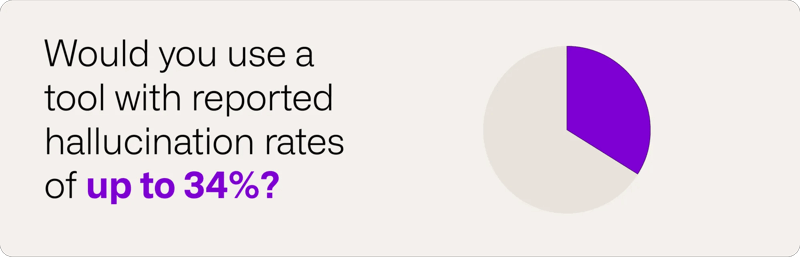
    This article explains why these free tools often lack the clinical validation, transparent reasoning, evidence rigor, and safety-by-default design that patient safety requires, leaving clinicians and institutions to carry the real burden of accuracy and accountability. You'll see why human judgment, oversight, and shared governance remain essential whenever AI supports clinical decisions.

    Key highlights:

    • The latest data on accuracy, reliability and transparency of these free AI tools
    • High risk tasks for free clinical AI tools

    Read the full blog >

    IMG-Micromedex-Web-Blog-FreeAI-003-1488x476@2x

    How MCP bridges the gap between AI agents and the clinical knowledge curated by human experts

    IMG-Micromedex-Headshot-StoltzK
    Katie Stoltz
    Vice President of Product and User Experience, Micromedex

    The model context protocol (MCP) vendor that a health IT organization chooses today will define the quality, safety, and defensibility of their clinical AI for years to come. This article is for the leaders who understand that distinction, and want a framework for making the right call. Read on for five key considerations for MCP success in healthcare.

    Key highlights:

    • What is MCP in the context of healthcare
    • Why it matters now more than ever
    • How human expertise cannot be replicated by AI models
    • Five key considerations for MCP success in healthcare

    Read the full article >

    IMG-Micromedex-Web-Blog-MCP-001-1488x720 copy

    Human responsibilities: Tips for early career nurses using AI

    Courtney-Holmes
    Courtney Holmes, RN, IFNCP
    Clinical Director, Micromedex

    AI is reshaping how nurses work, giving them more time for what matters most: their patients. But as this guidance for early-career nurses makes clear, critical thinking, evidence-based decisions, and patient-first care remain deeply human responsibilities that no tool can replace.

    Key highlights:

    • 5 tips for early career nurses using AI

    Read the guidance for nurses >

    Is your organization looking for AI that re-humanizes clinician time?

    Check out how AI-powered search in clinical decision support can advance smarter, faster insights, giving time back to clinicians to focus on the human work they care about.

    Explore AI in clinical decision support >

    REAL USER INSIGHTS

    Making life easier for teams

    "Micromedex AI-powered search has been a game-changer for us. It’s not just about technology; it’s about making life easier for our physicians and nurses, helping them engage more deeply with Micromedex, and ultimately improving patient outcomes. For a community hospital like ours, this is a big win."

    - Chris Giroux, MSPA, Director of IT Application Services, Holyoke Medical Center

    Hear more user insights >

    Unlock Full Content

    ×

    Please complete this form to access the complete quarterly spotlight content.